







Search Results for: Sweet Globe green grapes
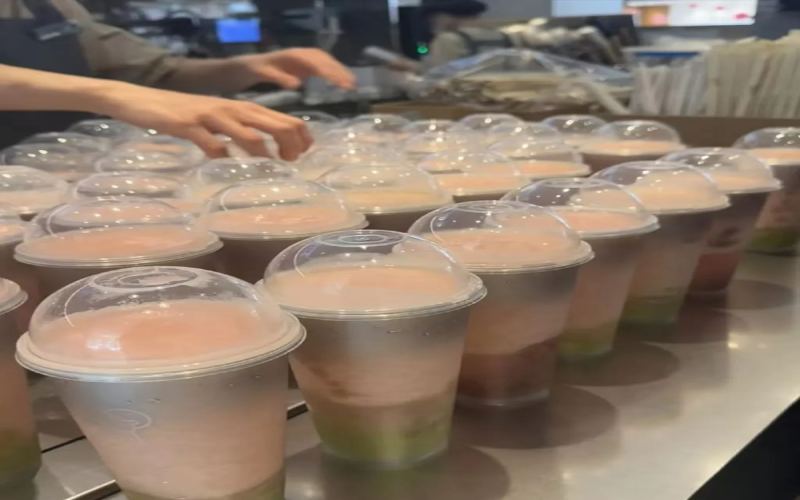
Heytea's change of green grape variety sparks a peeling dilemma: employees' hands covered in medicated patches, why isn't a peeling machine used?
Right after the May Day holiday, the "three-way battle" among food delivery platforms sent tea beverage stores into another order explosion frenzy, and Heytea's move to drop the price of some drinks to single digits drew in a flood of orders. Yet for back-of-house staff, this was a nightmare—the newly switched imported green grape "Sweet Globe" variety has firm flesh and is extremely hard to peel. Employees peeled until their gloved fingers wore through, their right hands covered in medicated patches, and some even felt nauseated at the sight of fruit with skin on. Although some tried using peelers or small round spoons to improve efficiency, the output speed still could not keep up with store demand. Why not equip stores with peeling machines? Employees admitted frankly that the high loss rate and difficulty of cleaning make them worse than peeling by hand. This article takes you into the real daily life of Heytea's peelers, along with Front Street Coffee's attention to industry trends. [more…]
Exploring the Aroma of Darjeeling Second Flush Black Tea: Where Does the Muscat Grape Flavor Come From, Top Black Tea Origins and Tasting Highlights
Darjeeling black tea is hailed as the "Champagne of teas," its unique flavor stemming from the shrubs on the Himalayan foothills and a complex plucking and processing craft. Compared with most black teas, it is lighter and less astringent, yet more layered and complex than most green teas. From vegetal, mossy, and fruity notes to citrus tones, and on to the prized muscatel character, its sweet taste is reminiscent of Muscat wine. Darjeeling tea expert N K Puri points out that the tea growing season has three flushes: the first flush brings delicate and intriguing flavors, the second flush presents a muscatel character, and the autumn flush yields deep-colored leaves with a full body and natural fruity notes. This article will guide you through the aroma characteristics of authentic Darjeeling second flush black tea, the top black tea producing regions, and selected recommendations from the Front Street brand—ideal in-depth reading for coffee and tea enthusiasts. [more…]
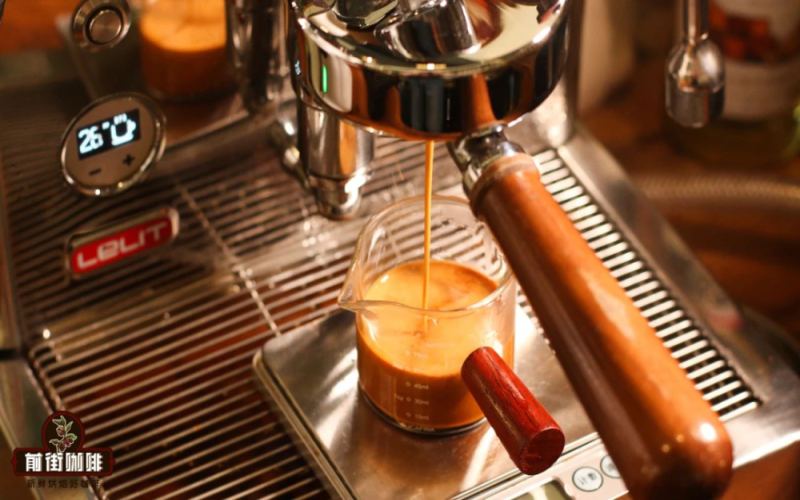
Moka Pot Tutorial | What's the Difference Between Single-Valve and Double-Valve Moka Pots? Which SOE Espresso Beans Are Suitable for Making Moka Pot Coffee at Home?
Today, with espresso sweeping the globe, we are no longer unfamiliar with Italian-style coffee machines—even a passerby can name a few Italian specialty coffee drinks. But to this day, another device for making strong coffee—the moka pot—remains controversial. Some see it as a budget substitute for an espresso machine, [more…]
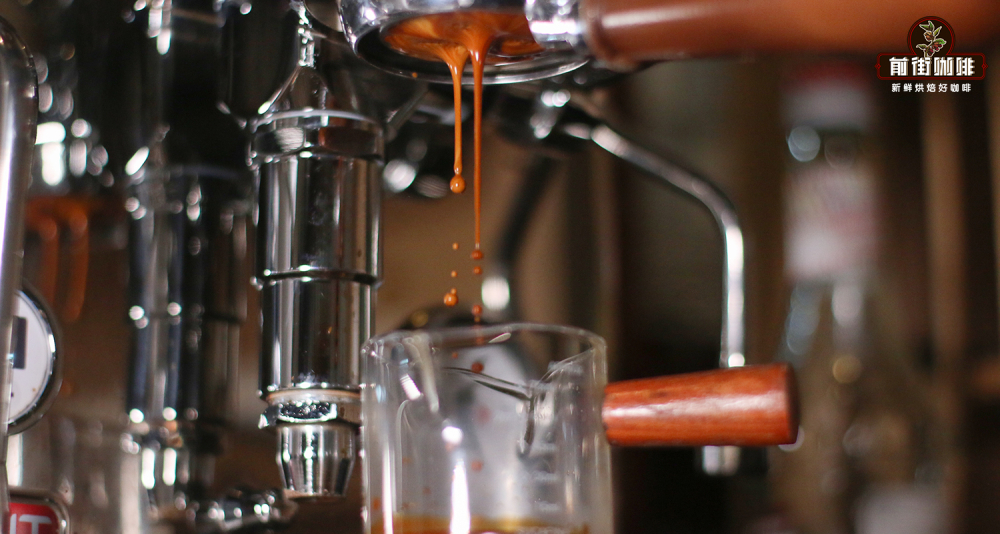
Espresso Extraction Principles | What techniques are there for extracting delicious espresso? Recommended dark chocolate nutty espresso blend beans
For more specialty coffee knowledge, please follow our WeChat official account: FrontStreet Coffee. Italy is a country of coffee culture. The espresso that has spread across the globe is the soul of coffee and a treasure Italy has given to the world. Espresso, as the name suggests, is a [more…]
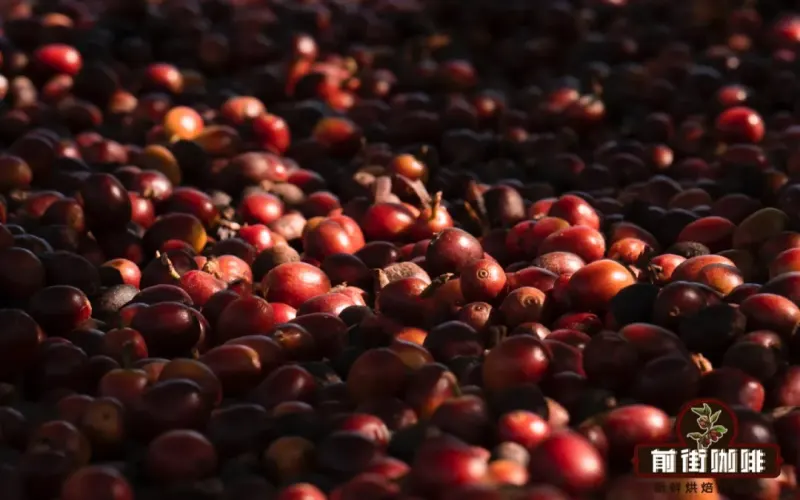
Three Major Criteria for Green Coffee Bean Grading: Screen Size, Altitude, and Defect Rate—A Full Explanation of AA and G1 Grades
Coffee beans are grown widely across the globe, and the geographical conditions and cultivation methods of each producing region differ significantly, so it is impossible to measure all beans by the same standard. Different countries develop grading systems suited to their own local conditions. At present, the mainstream bases can be grouped into three categories: bean size, growing altitude (bean density/hardness), and defect ratio. However, these three are not mutually exclusive; many origins use multiple methods at once, and even after preliminary grading they supplement this with cupping to compensate for blind spots in the system. This article will break down these three major grading logics one by one and explain the actual meaning of common grade markers such as AA and G1, helping enthusiasts decipher the grade code on the packaging. [more…]

Is the caffeine content of cold brew coffee high? A selection of cold brew coffee beans perfect for summer
Cold brew coffee has swept the globe in recent years, becoming a popular summer drink thanks to its refreshing taste and bright floral and fruity aromas. It is made by steeping coffee in cold water for a long time, similar in principle to cold-brewed tea. However, many people wonder whether cold brew coffee has a higher caffeine content. In fact, the amount of caffeine mainly depends on the bean variety, the coffee-to-water ratio, and the steeping time. In addition to answering this question, this article will also recommend several coffee beans suitable for making cold brew based on different flavor preferences, including Front Street Panama Butterfly, Front Street Strawberry Candy, and Front Street Brazil Queen's Farm, along with brewing suggestions to help you easily make a delicious cup of cold brew. [more…]
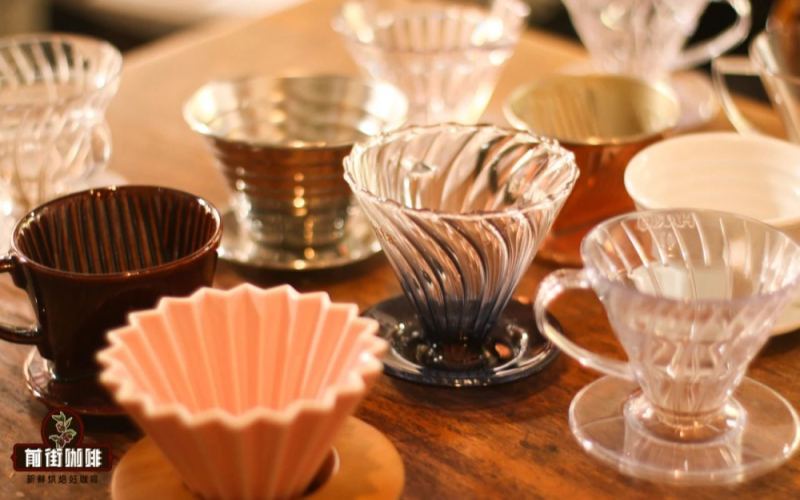
The Complete Guide to Pour-Over Coffee Dripper Selection: Common Types, Material Differences, and Brewing Compatibility Guide
In the toolkit of pour-over coffee gear, the dripper plays a pivotal role. With the third wave of coffee and the growing popularity of single-origin specialty beans, pour-over brewing rose in Japan and swept the globe. Getting started with pour-over isn't complicated—all you need is a gooseneck kettle, filter paper or a metal mesh, a dripper, and ground coffee. Yet the sheer variety of drippers often leaves beginners at a loss. This article systematically breaks down the structural features and flow-rate differences of mainstream drippers—wedge, cone, origami, wave, and metal—analyzes how different materials affect heat retention, and, drawing on brewing practice with a range of Front Street beans, explains how dripper choice shapes a coffee's balance, body, and aromatic layering, offering enthusiasts a practical reference. [more…]
Yemen Mocha Coffee Flavor Characteristics and Pour-Over Tasting Guide: A Full Analysis from Origin Grading to Classic Producing Regions
Yemen was the first country in the world to cultivate coffee on a large scale, and the export history of the port of Mocha has given this coffee a legendary quality. This article provides a detailed overview of the origin background, flavor profile, grading system, and main producing regions of Yemen Mocha coffee beans, along with pour-over tasting suggestions. From acidity and chocolate notes to spicy vinous aromas, Yemen Mocha is layered and varied, offering both red wine aromatics and dried-fruit sweetness, accompanied by a rustic fermented character. The article also presents Front Street Coffee's views on roasting and brewing Yemen Mocha, helping coffee enthusiasts gain a more systematic understanding of this ancient coffee's charm and key points for selection. [more…]
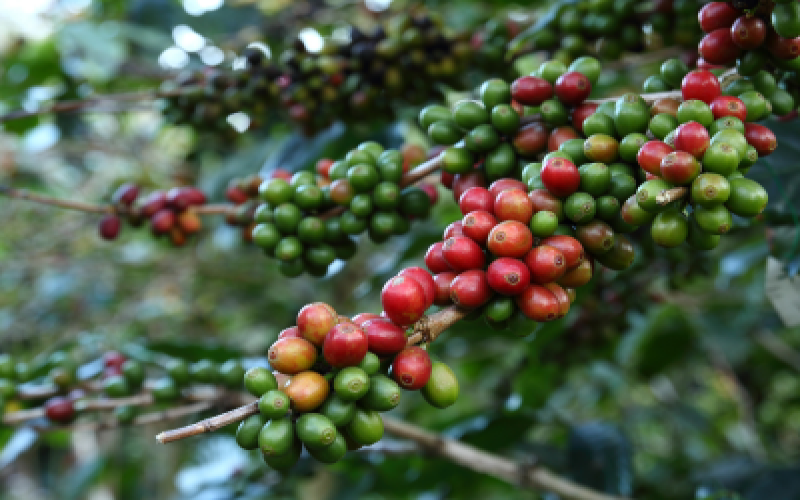
Specialty Pour-Over Coffee Bean Buying Guide: Flavor Characteristics of the Three Major Producing Regions—Asia, Africa, and Latin America—and Front Street Brand Recommendations
The cultivation regions for specialty coffee span numerous countries around the globe and can be grouped geographically into three major areas: Asia, Africa, and Latin America. Owing to differences in altitude and climate conditions, each continent produces coffee beans with distinctive flavor characteristics. This article will begin with the flavor profiles of these three major producing regions to help coffee enthusiasts understand the unique charm of coffee beans from different origins, and recommend representative single-origin beans from the Front Street Coffee brand, including Golden Mandheling, Yirgacheffe Gutingiting, and Brazil Queen's Estate, offering purchasing references for pour-over enthusiasts. [more…]
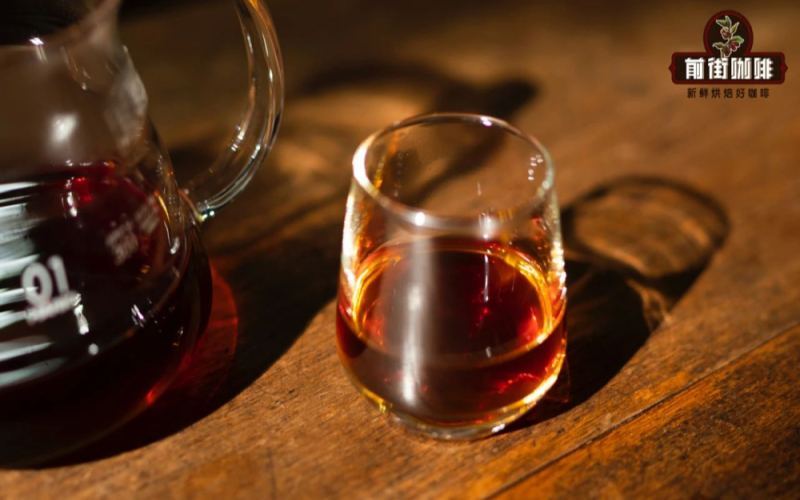
A Full Analysis of the World's Top Ten Coffee-Producing Countries: From Brazil to Yunnan, Front Street Takes You Through the Flavors of Specialty Coffee Beans from Around the World
As one of the world's three major beverages, coffee presents a dazzling array of flavors depending on its origin. From Brazil's rich, nutty notes to Ethiopia's floral and fruity charm, from Indonesia Mandheling's intensity to Jamaica Blue Mountain's elegant balance, every producing country cultivates coffee beans with distinctive characteristics. In this article, Front Street Coffee will guide you through the world's top ten single-origin coffee producing countries, offering in-depth analysis of representative coffees such as Brazil Queen's Estate, Indonesia Mandheling, Colombia HiPaw, Costa Rica Mozart, Ethiopia GuDingDing, Kenya Little Tomato, Rwanda Red Bourbon, Jamaica Blue Mountain, Panama Geisha, and China Yunnan Typica — exploring their flavor profiles and processing methods, and taking you on a journey through the rich allure of the world coffee map. [more…]
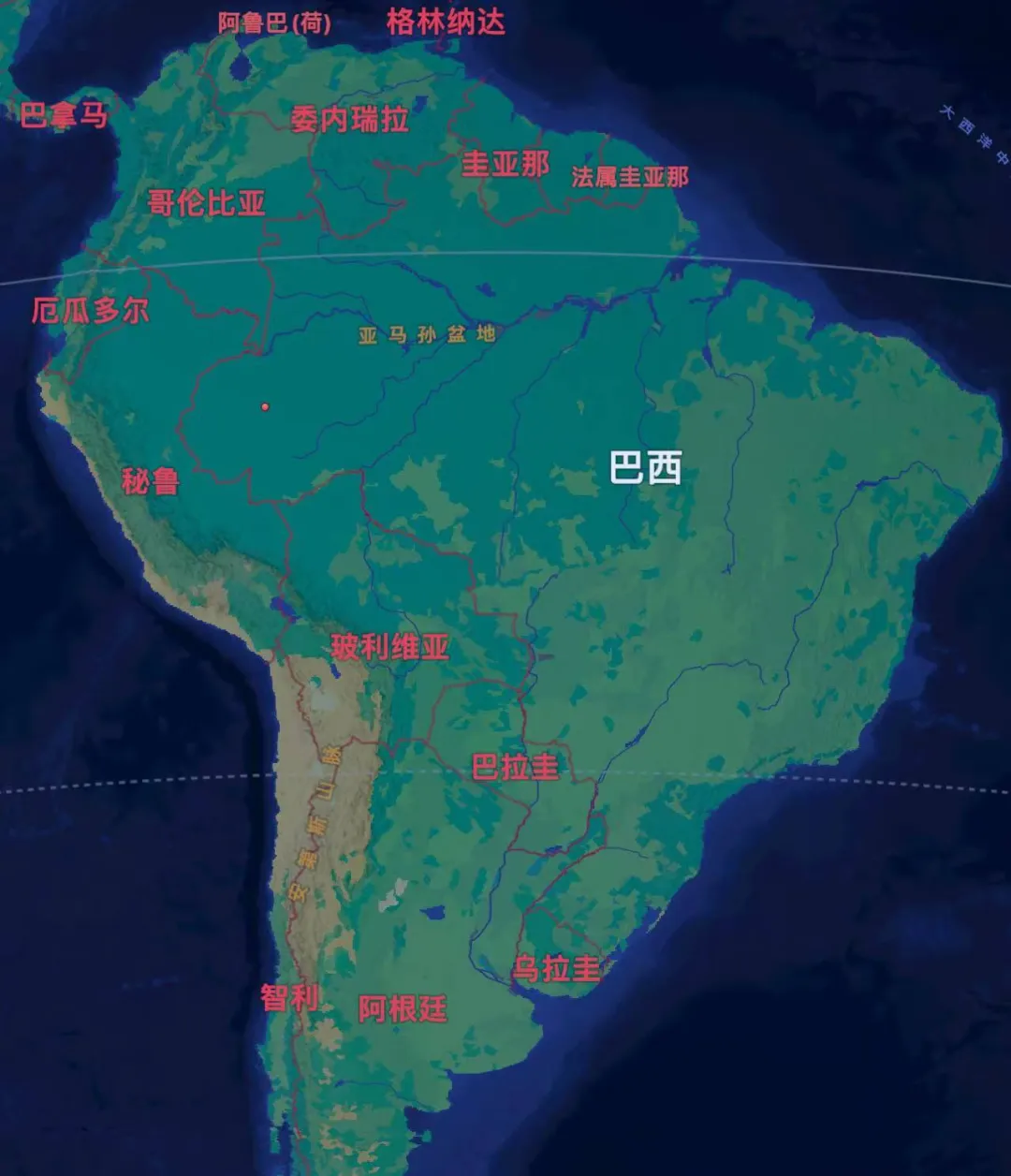
Brazil Specialty Coffee Recommendation | Flavor Characteristics and Origin Introduction of Brazil Cerrado Bourbon Coffee Beans Semi-Washed Processing Method
For more specialty coffee knowledge, please follow: Front Street Coffee (Frontsteet Coffee) Brazilian coffee has always been regarded by everyone as the top choice for "large quantity and satisfying," because it not only has a balanced taste but is also economically affordable. A bag of Front Street Brazilian everyday coffee beans costs only 25 yuan, while a bag of [more…]
A Complete Analysis of the Origin, Cultivation History, and Flavor Characteristics of Yunnan Geisha Coffee
Geisha coffee has swept the globe with its rich floral aroma and complex fruity acidity reminiscent of citrus and peach. Its delicate varietal characteristics and demanding growing conditions make it scarce and expensive. This article traces Geisha's journey from Hacienda La Esmeralda in Panama to the world, and ultimately its introduction to Yunnan, China. It examines the starting point of Geisha cultivation in Yunnan, the lineage of its seed sources, and its varietal performance, while comparing how the terroir differences between Panama and Yunnan shape the flavors in the cup. The article also covers Front Street Coffee's cupping impressions of Yunnan Geisha, as well as the role of post-processing methods such as anaerobic fermentation in enhancing body. [more…]
Why Is Panama Geisha So Expensive? A Full Analysis of Hacienda La Esmeralda Geisha Coffee's Variety Origins and Plots
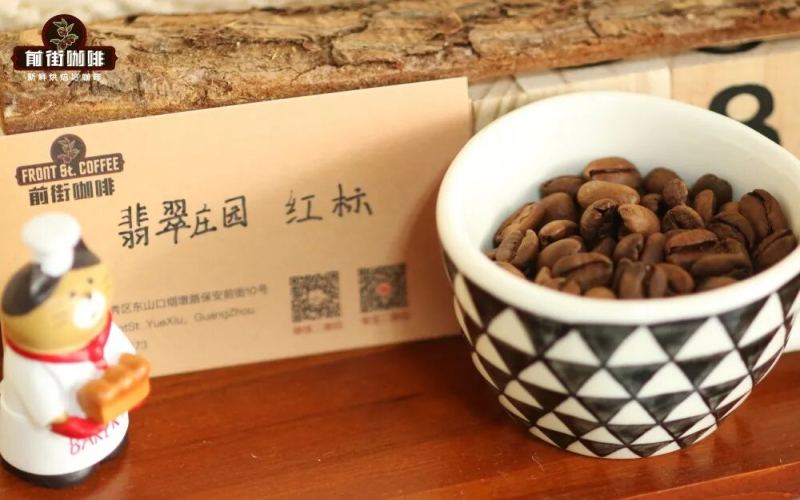
Today, as the specialty coffee wave sweeps the globe, Geisha has long become synonymous with high-end coffee, and Hacienda La Esmeralda in Panama is the core driving force behind this legendary variety. From the T2722 seedlings introduced from CATIE in the 1960s, to the stunning breakthrough at the 2004 BOP, to the establishment of grading systems such as Red Label and Green Label, Hacienda La Esmeralda spent decades elevating Geisha to iconic status. This article will systematically review Geisha's varietal characteristics, Hacienda La Esmeralda's three major Geisha-growing plots, the microclimate differences among the farms, and the flavor distinctions between Red Label and Green Label, along with a hands-on comparison from Front Street Coffee, to help coffee enthusiasts understand why this cup of coffee, as elegant as floral-fruity tea, is so precious. [more…]
Exploring Jamaica's Clydesdale Estate: A Complete Analysis of the History and Flavor of Blue Mountain No. 1 Coffee
Jamaican Blue Mountain coffee has swept the globe, and the Blue Mountain No. 1 produced by the Clydesdale Estate is among its finest offerings. This article takes you through the rise, fall, and revival of this ancient farm from 1801 to the present, analyzing the Blue Mountain Typica variety, the semi-washed processing method, and the stringent grading and unique flavor of Blue Mountain coffee. At the same time, we will also share Front Street Coffee's brewing suggestions and tasting experience for Jamaican Blue Mountain coffee, giving you a comprehensive understanding of this top-tier coffee that combines acidity, bitterness, sweetness, and body, and is hailed as the "Beauty of Coffee." [more…]
What's the difference between Panama Geisha and Ethiopian Geisha? A clear explanation from flavor and bean appearance to origins
Geisha is now a star variety in the specialty coffee world, but Panama Geisha and Ethiopian Geisha actually represent two different flavor paths. After comparing them, Front Street Coffee found that although both possess outstanding acidity and floral aromas, their specific expressions differ markedly: Panama Geisha leans toward jasmine florals, citrus, and honey-like sweetness, with a soft, easy-drinking entry; Ethiopian Geisha also has florals, but its main thrust is abundant juiciness and explosive fruit flavors. This article examines, from the perspectives of historical origins, dissemination routes, terroir conditions, and green bean appearance, why these two coffees sharing the same name taste like two different beans, and also answers how the true Geisha flavor should be understood. [more…]
Geisha Coffee Origins | How Do Panamanian and Ethiopian Geisha Differ? What Geisha Varieties Are There? An Introduction to Panama Emerald Geisha Grades
Some people say that Geisha coffee is so expensive, so what exactly does Geisha coffee taste like? Front Street believes that when you drink Geisha coffee, you'll feel like it's not a cup of coffee, but a cup of floral and fruity tea. Because of different growing regions, the flavors that Geisha coffee presents also vary, but overall, Geisha coffee naturally has a [more…]
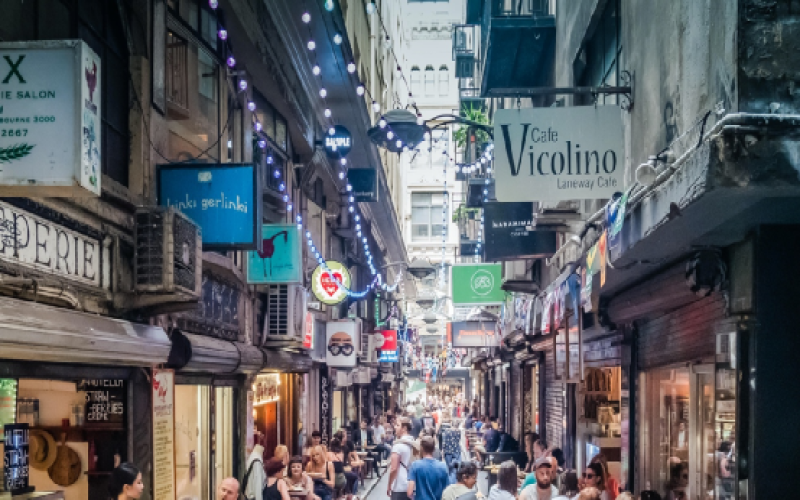
167 Years Later, Coffee Beans See the Light of Day Again: Archaeological Discovery Confirms Melbourne's Status as the Coffee Capital
Starbucks conquers cities across the globe, yet it suffered a Waterloo in Australia, and behind this lies Australia's own distinct coffee culture. Sydney and Melbourne have long vied for the title of "coffee capital," and an archaeological discovery has added strong evidence for Melbourne—archaeologists excavating a grocery store site at Melbourne's Metro Tunnel have unearthed coffee beans perfectly preserved from 167 years ago. This discovery traces Melbourne's coffee culture back to before the gold rush, rewriting our understanding of Australia's café era. This article will walk you through the details of this archaeological find, revisit the long history of Melbourne's coffee culture, and let you feel the profound global influence of Australian coffee. [more…]
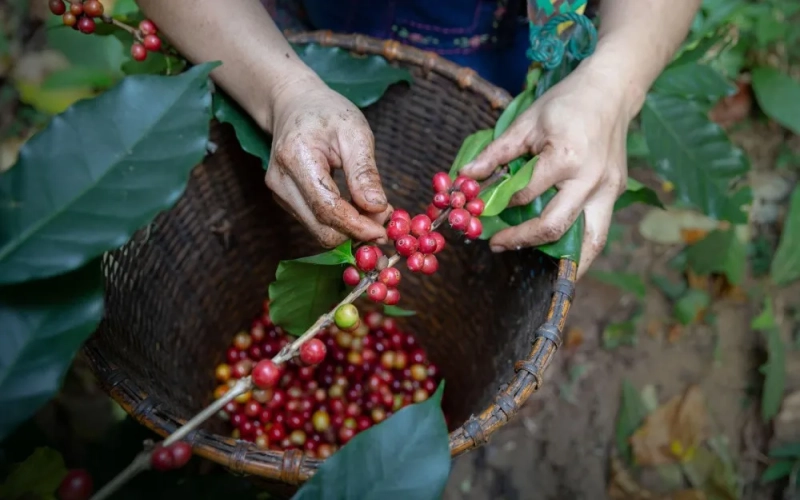
Flavor Analysis of the Typica Coffee Variety: A Flavor Comparison Between Taiwan Alishan and Panama Typica
Typica is one of the oldest varieties of Arabica coffee and a presence that cannot be overlooked in the world of specialty coffee. Its cultivation footprint spans the globe, from Jamaica Blue Mountain to Panama and Taiwan's Alishan, where different terroirs give Typica strikingly different flavor expressions. This article will introduce you to the origins and spread of the Typica variety, explain why it remains highly sought after despite its low yield, and compare the flavor differences between Taiwan Alishan and Panama Typica. At the same time, we will also recommend several high-quality Typica pour-over single origins from Front Street Coffee to help you experience the elegant charm of this ancient variety in the cup. [more…]
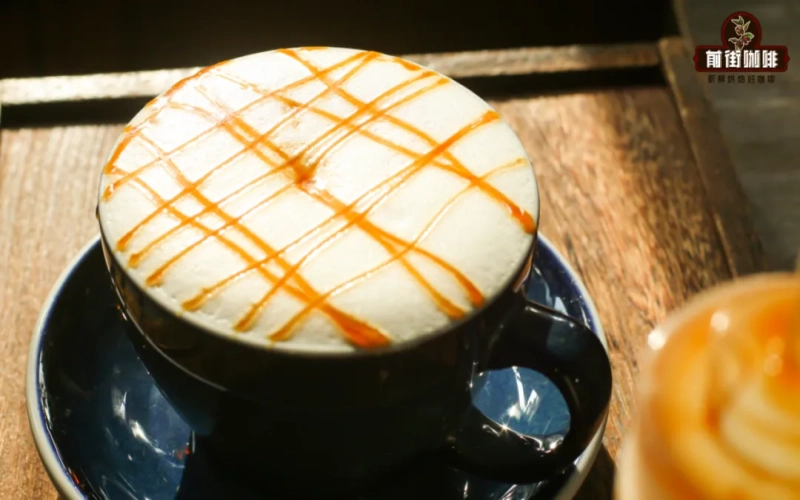
Caramel Macchiato Recipe Revealed: A Homemade Guide to Espresso, Milk, Vanilla Syrup, and Caramel Sauce
Caramel Macchiato, with its sweet flavor and delicate caramel pattern, was once as famous as latte and mocha, becoming a coffee drink that swept the globe. Although it is no longer commonly seen in coffee shops today, its preparation is actually not complicated. Join Front Street to learn about the ingredients of Caramel Macchiato, its essential difference from Macchiato, and how to easily recreate this "coffee in a sugar coat" at home. With just four ingredients—espresso, milk, vanilla syrup, and caramel sauce—and a few key steps, you can restore the sweet caramel aroma intertwined with dense milk foam from memory. [more…]

Specialty Coffee | What is the definition of specialty coffee? Is single-origin coffee the same as specialty coffee? Which coffee beans qualify as specialty coffee?
In today's society, everything has to be high-end—whether it's food or drink, as long as you add the word "specialty," its value instantly skyrockets. But whether it's truly worth it depends on individual choice. As one of the world's three major beverages, coffee has its own unique history and culture, and likewise across the globe [more…]